ENG
Meager of wit wrapped in white attire,
In sludge they crawl, yet yearn for higher.
Bent to power, king's favor they seek,
Where even lowly fowls may peak.
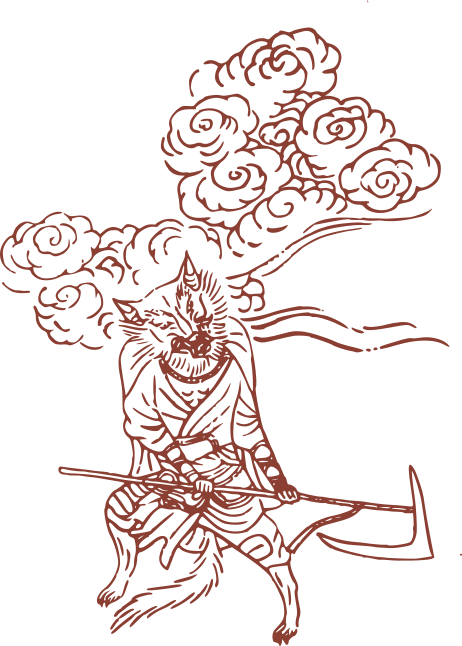
A white-robed wolf guai, patrolling the hills, seized a sword from a traveler. Jewels studded its scabbard, its blade sharp and bright. Coveting it, he strapped the sword to his side, revelling in its splendor. Yet, when it was time to give tribute, he hid it away. The other guais chided, "Without offering such treasures to the king, how will you earn his favor, or do you fancy patrolling forever?" The wolf guai scoffed, "Such treasures we cherish, the king barely notices. You offer scrap metal and dream of favor? You are fools."
They dismissed his words, seeing them as mere excuses to shirk his duty, while they toiled on. The wolf guai indulged in peaches and drank wherever he could lay hands on them, keeping the very best for himself. The others knew his punishment would come, and waited.
One day, the Black Wind King held a lecture on Buddhism in the mountains, speaking of enlightenment and revival. His guardians spread paper talismans, and all were commanded to consume them before the chanting and prayers. Hours later, the king inquired about their enlightenment. A pause fell; then, the white-robed wolf guai stood, and there emerged others, one by one.
The next day, a decree was issued to the guardians: the wolf guai was promoted to a minor captain. All the other guais, puzzled, whispered among themselves. How had the wolf guai not only escaped punishment but found himself rewarded?
This story is set among a group of mountain guardians called guais who patrol the hills and depend on the ruler’s favor to rise in rank. One guai wears white and is described as wolf-like. He finds and takes a traveler's sword—its scabbard studded with jewels and the blade bright—and keeps it for himself instead of offering it as tribute to the king. He openly enjoys fine things, eating peaches and drinking, and mocks the other guais for bothering to bring offerings.
The other guais are dutiful and expect that failing to give the king treasure will bring punishment. They see the white-robed wolf guai’s behavior as shirking his responsibility: he has taken a valuable prize and hidden it rather than handing it to the court, and they believe his indulgence will be noticed and punished.
The Black Wind King then holds a mountain lecture about Buddhism, and his guardians are instructed to consume paper talismans before the chanting and prayers. Hours pass while the ceremony and its rituals proceed, and afterward the king asks his attendants about any sign of enlightenment. There is a moment of silence in the group.
At that moment the white-robed wolf guai stands up, and then others stand as well, one by one. The next day the king issues a decree promoting that wolf guai to a minor captain. The other guais are left confused and whisper among themselves, wondering how the guai who stole and hid a sword escaped punishment and was instead rewarded.
The clear implication is that public displays of piety or timely compliance with the king’s ritual earned the wolf guai favor, despite his hidden wrongdoing. The story shows a contrast between outward religious observance that wins court promotion and private misconduct that goes unpunished, leaving the loyal guardians puzzled by how favor is actually granted.