
ENG
Hills and rivers, nature's way,
Kindness grows like grass and wood.
Plants may fade, then bloom in May,
All shall still stand where they stood.
Once upon a time, a young wolf followed a grey elder wolf to learn the art of hunting. Despite his cleverness and diligence, the young wolf struggled to catch any prey. One day, the pale elder commanded him to find food alone or face hunger. Then the young wolf, hiding in the shadows of the mountains, finally managed to catch a rabbit. However, instead of eating it alive, he gently licked the rabbit's wounds, as if to heal them.
The rabbit took the chance and fled into a pond, struggling to swim to safety, but the young wolf in pursuit forced it back into the water. Just as the rabbit was about to drown, the young wolf rescued it, softly nudging its head and helping it breathe. The rabbit woke up conscious but bewildered. Suddenly, the distant howl of the grey elder startled both of them. In his panic, the young wolf accidentally crushed the rabbit under his paw.
Heartbroken, the young wolf wept bitterly. As the elder approached and inquired, it became clear: the young wolf couldn't bring himself to kill the rabbit, so he repeatedly spared its life. Yet, he also feared his own hunger, and that's why he refused to let go. Acknowledged, the grey elder then advised, "Your false kindness brought misery. Instead of hesitation, both of you would have been better off with a swift end."
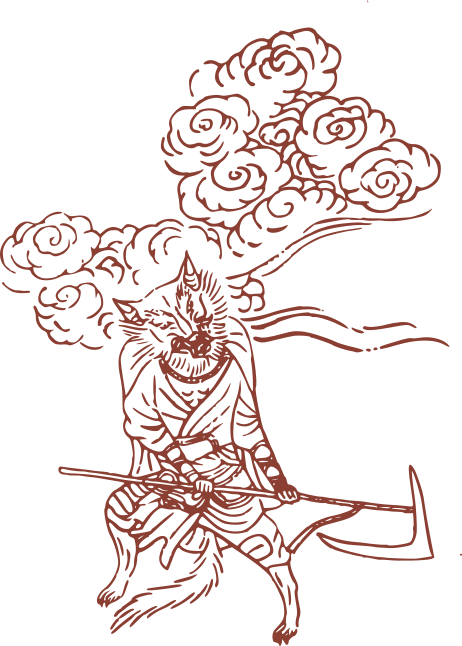
The grey elder's words seemed to have dawned upon the young wolf. Later, it honed a lethal technique of hurling whirling blades from afar for stealth kills, believing this to be the ultimate form of mercy towards its adversaries.
The opening lines set a simple nature theme about cycles and kindness, but the story that follows makes those ideas concrete. A young wolf is apprenticed to an older, pale/grey elder wolf to learn how to hunt. Even though the young wolf is clever and works hard, he cannot catch prey on his own.
The elder finally orders him to find food alone or face hunger. The young wolf hides in the mountain shadows and does manage to catch a rabbit. Instead of killing and eating it, he treats the rabbit gently, licking its wounds as if trying to heal it rather than kill it.
The rabbit seizes a chance to escape and swims to a nearby pond, but the young wolf chases and forces it back into the water. When the rabbit is almost drowning, the young wolf suddenly rescues it, nudging its head and helping it breathe. The rabbit wakes up alive but confused.
Then the distant howl of the elder startles them both. In the panic that follows, the young wolf accidentally crushes the rabbit under his paw and kills it. The young wolf is devastated and weeps. When the elder asks what happened, it becomes clear the young wolf could not bring himself to strike the rabbit dead, so he alternated between sparing it and trying to hold onto it because he feared hunger.
The elder tells him plainly that his "false kindness" caused needless suffering and says both would have been better off with a swift end. The young wolf takes that lesson to heart and later develops a stealth approach: a lethal technique of throwing whirling blades from a distance. He comes to believe that killing quickly and from afar is the true mercy for his prey and for himself.