ENG
My land is harsh and my look stern,
Yet at their scorn, I never turn.
True valor looks not on the skin,
I should have known who is my kin.
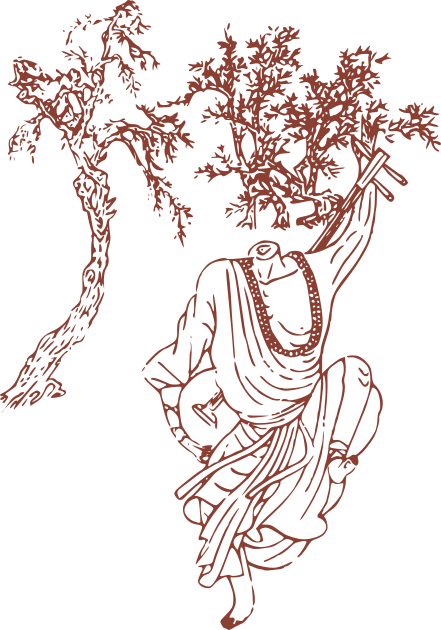
Lore tells of the Great Kingdom of Rakshasa beyond the Western Seas, where the Sea Rakshasas call home. Renowned for their peculiar features, they differ starkly from those on land.
One year, sea yaoguais were reported troubling a temple by the sea. The princess of the Kingdom was tasked with the expulsion of yaoguais. A devout practitioner of Buddhism with formidable powers, she dismissed her entourage and resolved to confront the yaoguais alone.
As she recited scriptures loudly in the temple that night, she saw several towering figures kneel at the door, grotesque in form: lumpy heads, twisted mouths, three-holed noses, and eyes upon their foreheads. Startled by their hideousness, the princess fell to the ground in fright. The figures, too, pointed at her face, screaming in terror, and hastily fled. Intrigued by their unexpected reaction, she called out to them.
The fear that drove them to run was quenched only after the princess resumed her chanting. They cautiously returned and conversed with her, after which she learned that they were Sea Rakshasas seeking spiritual practice.
The princess welcomed them in. To avoid alarming the people, she fashioned golden, gem-studded masks for them. Soon, the Rakshasa King granted them massive shields and appointed them as the royal guards of the princess.
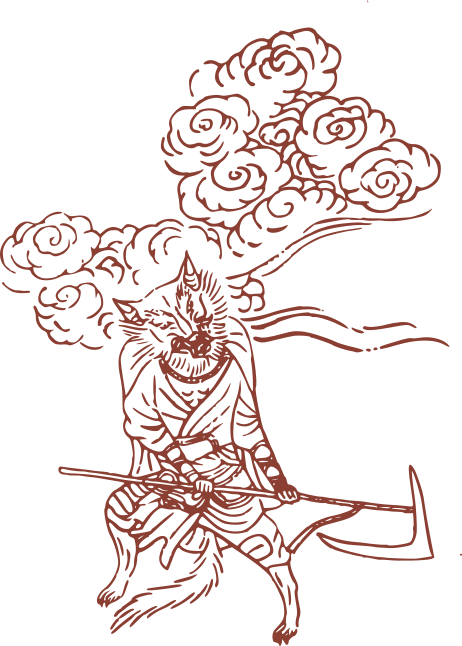
Hundreds of years later, after the Kingdom of Rakshasa fell, the Sea Rakshasas escorted the princess eastward to Flaming Mountains. Faced with hardships, they learned to consume fire to better protect their princess, which turned their blue skin crimson. Now, they reside in the river of lava, mastering the tides of flame in the mountains. The princess, long past her prime, finds solace in the unwavering loyalty of her guards, who value her heart over her faded beauty.
The story opens with a short quotation that reads like the princess speaking: she describes her land as harsh and her appearance as severe, and says she has always believed true courage isn’t about looks. She admits, however, that she once misjudged who belonged with her.
The setting is the Great Kingdom of Rakshasa, which lies beyond the Western Seas and includes Sea Rakshasas who are different in appearance from their land counterparts. One year, sea yaoguais began troubling a seaside temple. The kingdom tasked the princess with driving them away. She is described as a devout Buddhist with powerful abilities; she sent her attendants away and went to confront the problem herself.
While chanting scriptures loudly in the temple at night, she saw several tall, grotesque figures kneel at the door. Their features were ugly and unusual — lumpy heads, twisted mouths, three-holed noses, and eyes on their foreheads. The princess was terrified and fell down. The figures were equally shocked by her face, pointed at it, screamed, and ran off. The princess called them back. Only when she resumed chanting did their fear subside enough for them to return and speak with her.
In the conversation she learned they were Sea Rakshasas who wanted to pursue spiritual practice. The princess accepted them and, to spare the temple townspeople from alarm, had golden, gem-studded masks made for them. The Rakshasa King later gave them large shields and appointed them as the princess’s royal guards.
Hundreds of years later, after the Great Kingdom fell, these Sea Rakshasas escorted the princess east to the Flaming Mountains. To protect her in that harsh new place they learned to consume fire, which turned their skin from blue to crimson. They now live in a river of lava and control the tides of flame in the mountains. The princess has aged and lost her youthful beauty, but her guards remain fiercely loyal, proving that they value her heart and inner worth rather than outward appearance.