ENG
Oh, true kindness, how pure and bright!
Yet karma binds in debts of blight.
With halberd in hand, I fear their gaze,
From humble roots, my sorrow stays.
In the northwest borderlands of the Kingdom of Yuetuo, there was a small village where an elderly couple had been childless for many years. One day, the old man went into the mountains to chop wood and discovered a young child under an ancient tree. The child's skin was dark and his appearance frightening, quite different from the village children. Seeing his frail limbs and body covered in scars, the old man assumed he was a refugee and brought him home.
The old woman also found the child unusual and initially wanted to send him away. However, after washing, dressing, and feeding him, she couldn't help but feel some affection for him. After some discussion, the couple decided to keep him.
At first, the couple treated the child very well. But within half a year, due to his strange appearance, the villagers began to gossip and called him "Ugly Slave." The old couple, feeling ashamed, also started to treat him less kindly and even called him the same way as the villagers did. Within two years, his skin turned a dark green, and the couple made him wear thick clothes to cover his entire body, forbidding him to take them off even in the scorching heat.
Three years later, the Ugly Slave grew more robust, and horns began to sprout from his head. The old man, increasingly fearful, confined him to the woodshed. Whenever he was angry, he would enter and whip the child, sometimes even using a hatchet to cut off his horns, leaving him covered in blood. The old woman, disgusted by the sight, blamed everything on the child. She would beat him when upset and even burn him with fire when she felt ashamed. The Ugly Slave endured this torment in the woodshed for another five years.
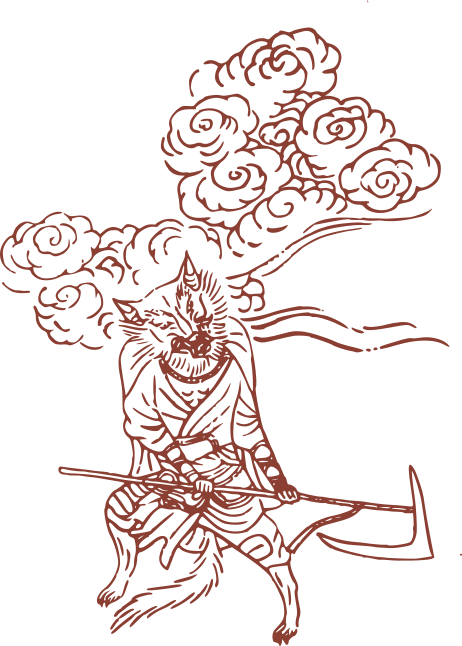
One day, a group of wandering yakshas passed by and heard curses in the yaksha tongue coming from the woodshed. They broke in and found their tormented kin. They gave the Ugly Slave a long halberd, and in his fury, he stormed into the house and repaid the old couple for all they had done to him.
Years later, the Ugly Slave's resentment still simmers, and only by tormenting his prey can he find any semblance of joy.
This story takes place in the northwest borderlands of the Kingdom of Yuetuo, in a small village where an elderly, childless couple find a strange child under an ancient tree. The child looks frightening to them and to the villagers: his skin is dark, his body is frail and covered in scars. The old man brings him home as if he is a refugee. The old woman at first wants to send him away, but after washing, dressing, and feeding him she and her husband decide to keep him.
At first the couple treats the child well, but the village starts to gossip and calls him “Ugly Slave.” The couple becomes ashamed of his appearance and begins to treat him less kindly, even using the same insulting name. Within two years his skin turns a dark green, and the couple forces him to wear thick clothes that cover his body at all times, forbidding him to take them off even in hot weather.
Three years after they found him, the child grows stronger and horns start to sprout from his head. The old man becomes afraid and locks him in the woodshed. When angry, the man beats him there and sometimes uses a hatchet to cut off his horns, leaving him wounded and bleeding. The old woman blames the child for everything, beats him, and even burns him when she feels ashamed. He endures this confinement and abuse in the woodshed for five more years.
One day a group of wandering yakshas hears curses in the yaksha tongue coming from the woodshed, break in, and recognize the abused child as one of their kin. They give him a long halberd. Fueled by fury from years of abuse, he storms into the house with the weapon and repays the old couple for what they did to him. The text does not give exact details of that repayment, only that he took revenge.
In the years after, his resentment remains. The final line says that only by tormenting his prey can he find any semblance of joy, which implies he becomes a vengeful, predatory figure who continues to act out of anger and pain. The short poem that opens the tale frames this outcome as a twisted result of misplaced kindness, shame, and karmic consequence: the couple’s initial acceptance turned into cruelty, and that cruelty produced a lasting cycle of suffering and retribution.