ENG
From emptiness, desires arise, bringing strife,
From compassion, lust grows, vast as life.
Past joys turn to future regrets,
Cleanse the heart, let go, as the wind sets.
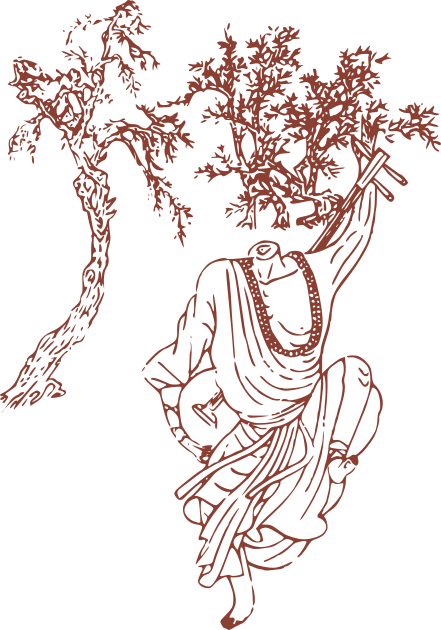
The reasons behind Bodhisattva Lingji's beheading were widely debated.
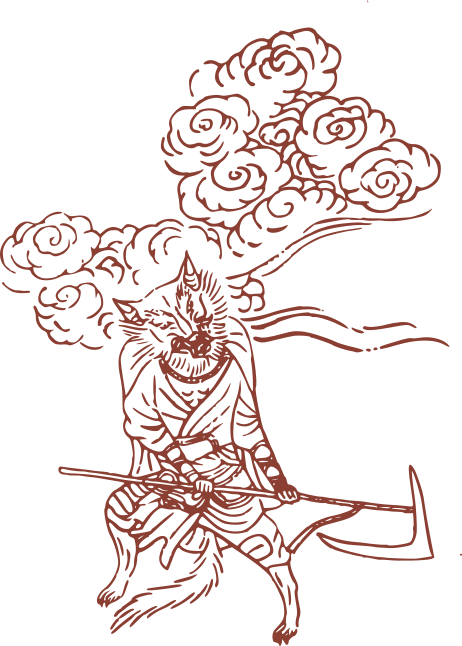
Tiger Vanguard put it this way: "How could we, mere followers, dare to discuss the master's affairs? However, I once heard my father mention that our master despised that Bodhisattva of some sort. Their so-called 'master-disciple bond'. Huh, to me, it was more about merely seeking protection. Being a yaoguai, you got to be pragmatic. Immortals and Buddhas don't show mercy; it's all about mutual benefit."
The King of Flowing Sand seemed to know more details: "Years ago, when Master helped my humble kingdom avert disasters, I caught a glimpse of that big beetle. It had a Buddha head on its back, identical to the one Master beheaded. Alas, everyone in my kingdom turned into rats later. Master said it was a calamity he brought upon us and left with his followers. I know he didn't want to leave; he always wanted yaoguais to live dignified lives..."
The Second Prince was terse: "Master? Not bad. The Bodhisattva? Deserved it."
Ma Tianba, passing through, sighed and said: "An oil-stealing rat climbs high only if someone sets up a ladder."
The Yellow Wind Sage had only one comment about the matter: "Those who bring disaster upon others will have disaster brought upon themselves. If not by me, then by someone else."
The opening lines are a short teaching: desires and compassion can lead to suffering when they turn into possessiveness or lust, past pleasures become future regrets, and the cure is to cleanse the heart and let go, like wind removing dust. It frames the story as one about inner motives, attachment, and consequences.
The central event is the beheading of Bodhisattva Lingji. That act provoked wide debate among different figures, and each gives a different explanation or moral judgment about why it happened and whether it was justified.
Tiger Vanguard says the master's followers should not parler the master's private affairs, but he relays what he heard: the master hated that Bodhisattva and saw the so-called master-disciple bond as nothing more than seeking protection. From his perspective, as a yaoguai (a demon or spirit), one must be pragmatic: immortals and Buddhas show no mercy, so relationships are about mutual benefit rather than loyalty or piety.
The King of Flowing Sand offers more detail and a haunting memory: when the master once helped his kingdom avoid disasters, the king saw a large beetle with a Buddha head on its back—the same head later beheaded from the Bodhisattva. After that, everyone in the kingdom turned into rats. The master told the king the calamity was something he had caused and then left with his followers. The king asserts the master did not want to abandon yaoguais and wanted them to live with dignity, implying the master's motives were complicated and possibly regretful.
Other voices are blunt or cautionary. The Second Prince says simply that the master was fine and the Bodhisattva deserved it. Ma Tianba remarks that an “oil-stealing rat climbs high only if someone sets up a ladder,” implying someone enabled the Bodhisattva’s rise or misdeed. The Yellow Wind Sage warns that those who cause disaster will suffer disaster in return, and if the sage does not punish them, someone else will. Together, these reactions show no single agreed explanation: the event sits between pragmatic survival, moral blame, hidden guilt, and the idea of karmic retribution.